

Published November 10, 2026
Author Source EEAT Authors · Mike's Author Page
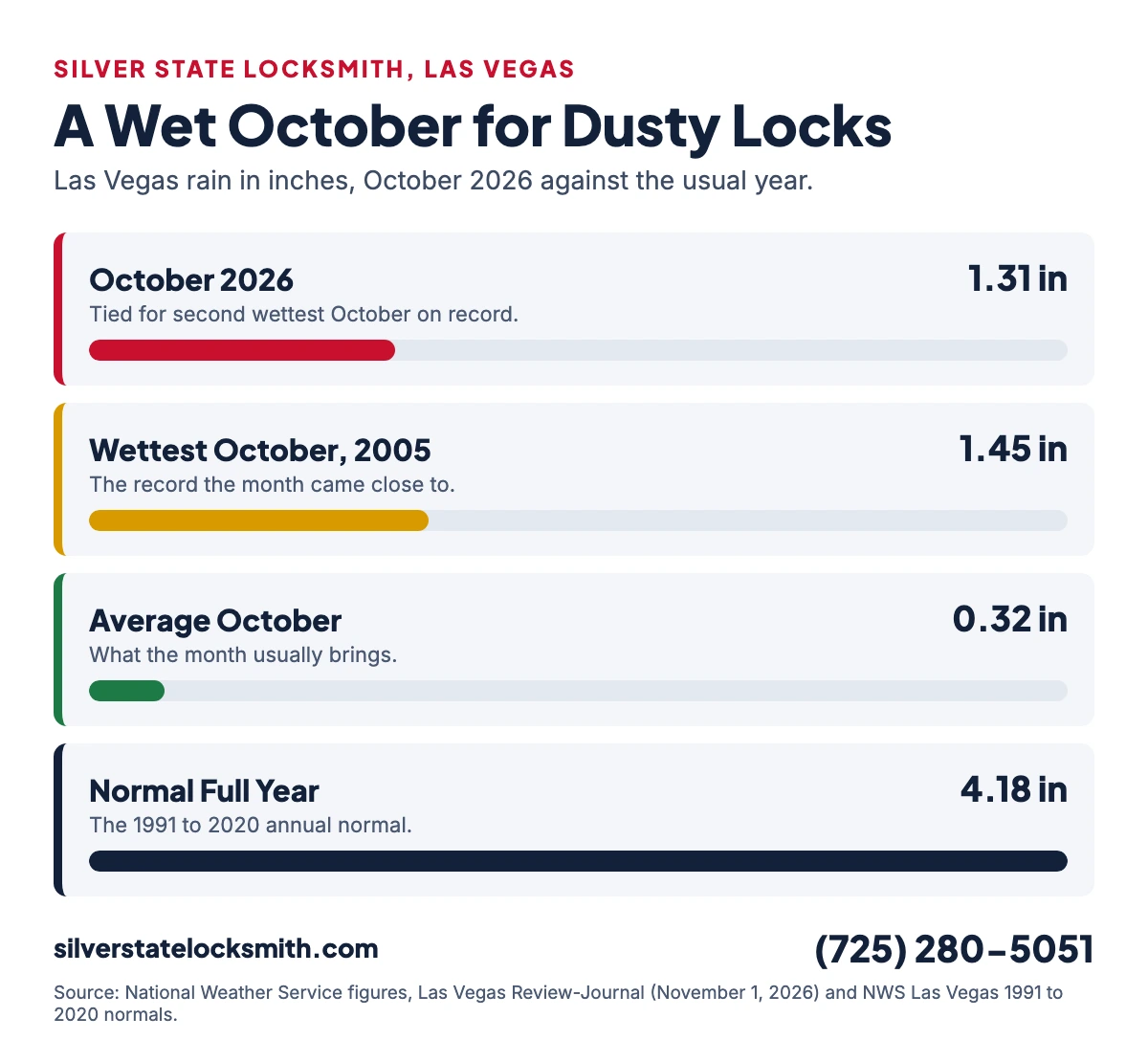
Updated November 2026. The rainfall figures come from the National Weather Service, as reported by the Las Vegas Review Journal on November 1, 2026. A normal Las Vegas year brings only 4.18 inches of rain in total. So a single wet month left mud in many places where dust usually sits.
- Test the door firstIf the key turns easily with the door open, the lock is probably fine and the door is out of alignment.
- Clean before you lubeGrit combined with fresh lubricant creates a paste that binds the pins even more.
- Use a dry lubeLock makers disagree on graphite, but neither care sheet below names an oily spray for the keyway.
- Dust means more oftenMaster Lock says every 3 months in very dusty places, against 3 to 6 months elsewhere.
- Never force the keyA key twisted forcefully can snap inside the cylinder and turn a small repair into an expensive one.
Find Your Answer5 steps
Why Las Vegas Locks Stick After a Wet Month
Dust is the normal state of a Las Vegas front door. On one windy day in February 2022, Clark County issued a dust advisory, and the Review Journal reported a peak gust of 46 mph at Harry Reid International Airport. Fine grit like that blows into every keyhole on the street side of a house.
Dry dust mostly travels in and out with the key itself. Rain changes that, because water carries the grit deep into the cylinder and leaves it there when it dries. October 2026 brought two heavy bursts, the remnants of Tropical Storm Rachel on October 11 and hail with flash flooding on October 30, per the Review Journal.
The pins inside a cylinder slide in narrow holes with very little clearance, so a thin coating of dried mud is enough to slow them down. That explains why a key can feel gritty, turn halfway, and then stop.
Rain by itself rarely ruins a lock in this climate, because the cylinder usually dries out within a few days. The real trouble is the residue left behind, and an oily spray applied over that residue only gives the dust something new to cling to.
Find the Cause Before You Spray Anything
Spend two minutes on a few simple tests before you reach for a spray can, because each test points to a different repair. The wrong repair can make the lock worse.
Open the door and turn the key. If it turns smoothly now but drags when the door is closed, the bolt is rubbing on the strike plate and the cylinder is not the problem, so skip ahead to the door section below.
Next, try a spare key if you have one. A key duplicated from a copy of a copy, or carried on a crowded ring for years, gradually wears down at the tips. If the spare turns and the original does not, a freshly cut key is the entire repair.
Finally, inspect the keyway with a flashlight. Sand or a broken key tip usually appears as a dark lump near the opening. Anything a light puff of air will not remove should stay put for a locksmith, because digging at it pushes the debris deeper.
| What you notice | Likely cause | First fix |
|---|---|---|
| Smooth with the door open, stiff when shut | Bolt rubbing the strike plate | Adjust the strike or the door |
| Bolt goes out partway, then stops | Strike hole too shallow or out of line | Drill the hole deeper or move the strike |
| Gritty feel as the key goes in | Dust or dried mud in the keyway | Clean, then a dry lube |
| Spare key works, old key does not | Worn key | Get a new key cut |
| Stiff after rain, then eases as it dries | Water and grit in the cylinder | Let it dry, clean, then lube |
| Nothing helps and the key barely turns | Worn pins or a broken part | Repair or replace the cylinder |
How to Clean and Lube a Sticky Lock
Start with the outside. Kwikset tells owners to clean knobs, levers and deadbolts with warm, soapy water and then dry them with a towel. Wipe the face of the cylinder the same way, and keep the water out of the keyhole.
Then clear the keyway. A puff of compressed air pushes loose grit out, and working the key in and out brings more of it toward the opening. Wipe the key after every pass, because it comes out carrying the dirt.
Now add the lubricant, and use very little of it. Master Lock says a light spray or a few drops is all a lock needs, and it recommends a PTFE lube. Put the key in, turn it both ways several times, and wipe off anything that drips out.
Graphite is where the advice splits in two. Master Lock says never to use dry graphite, because people apply too much and it gets in the way of the parts. The ASSA ABLOY product care guide for its South African market says the opposite for key cylinders. It calls for a small amount of graphite powder on the key blade.
So follow the care instructions from the manufacturer of your own lock whenever you can find them. If you cannot, a PTFE dry lubricant is the safer choice in a dusty city, since it leaves a film that dries instead of staying wet.
What about WD-40? A water displacing spray can free a stuck lock for a while, but neither care sheet above lists it for the keyway. ASSA ABLOY also warns that excess lubricant holds dust on the moving parts, which is exactly what an oily film does inside a Las Vegas keyhole.
| Maker document | Keyway lubricant | How often |
|---|---|---|
| Master Lock care page | PTFE lube, never dry graphite or silicone | Every 3 to 6 months, or every 3 in very dusty places |
| ASSA ABLOY product care guide | A small amount of graphite powder on the key blade | At least once a year, or when the key feels rough |
| Kwikset cleaning answer | Not named on that page | Clean with warm, soapy water and towel dry |
When the Door Is the Real Problem
A bolt that drags on the strike plate feels just like a sticky lock from inside the house. Kwikset's deadbolt support answers give two causes when a bolt will not fully extend. The hole behind the strike was not drilled at least 1 inch deep, or the strike plate does not line up with the bolt.
Examine the strike plate for a shiny rub mark on one edge. A mark along the top edge usually means the door has dropped, while a mark along the bottom edge means it has risen. Tightening loose hinge screws often lifts a sagging door enough to clear the strike.
Las Vegas ground adds its own twist. Many lots sit on caliche, a hard soil layer cemented by calcium carbonate where evaporation beats rainfall, according to a UNLV engineering paper by J. L. Werle and Barbara Luke. The paper names uneven settling as the main risk, where part of a foundation rests on caliche and part rests on softer soil.
When a house settles unevenly, the door frame can slip out of square and the bolt begins to bind against the strike. No amount of lubricant corrects that. Relocating the strike, or adjusting the door itself, is the actual repair.
When to Stop and Call a Locksmith
Stop if the key needs real force to turn. A key bent under a hard twist can snap off inside the cylinder, and extracting the broken half requires tools most households do not have.
Stop if cleaning and lube made no difference, or if the key turns all the way and the bolt does not move. Those symptoms point to worn pins or a broken component inside the lock, and spraying more lubricant into it will not help.
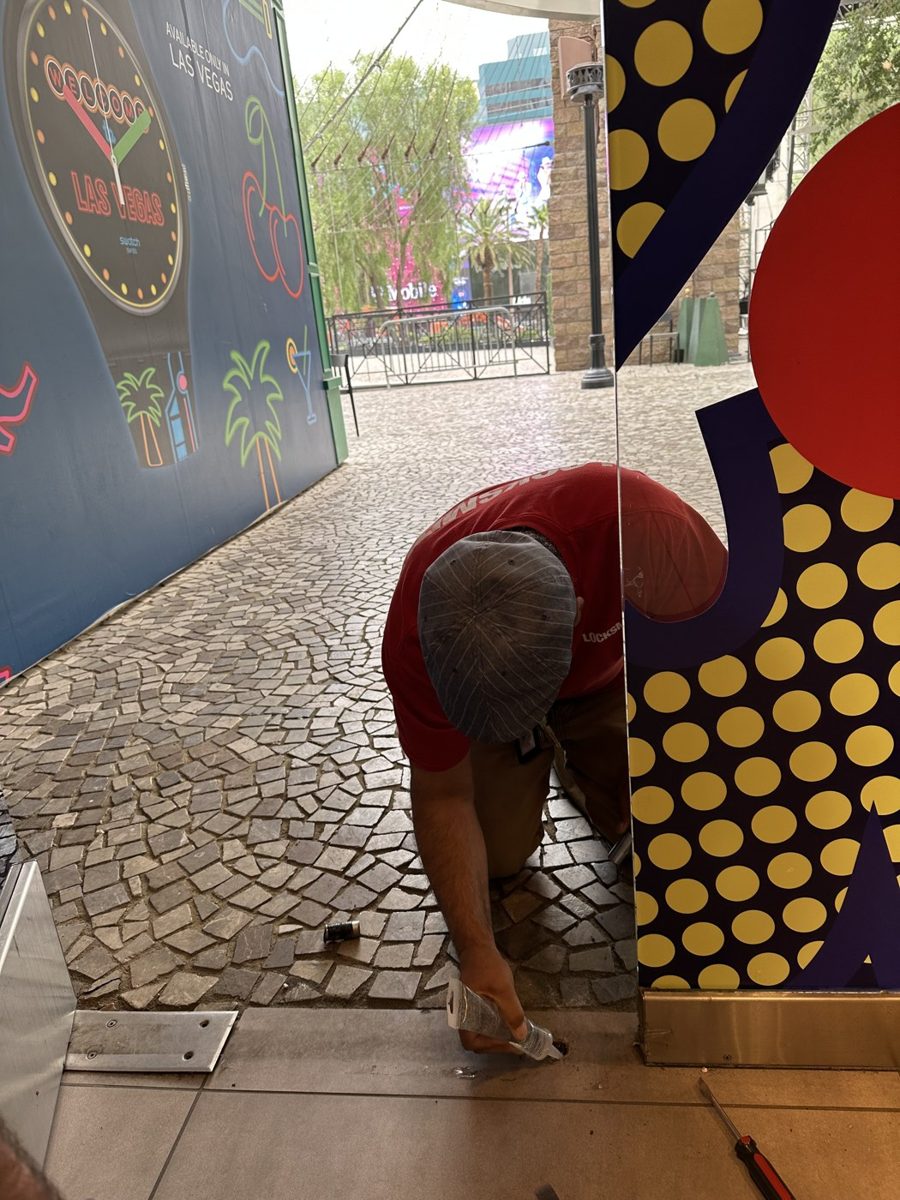
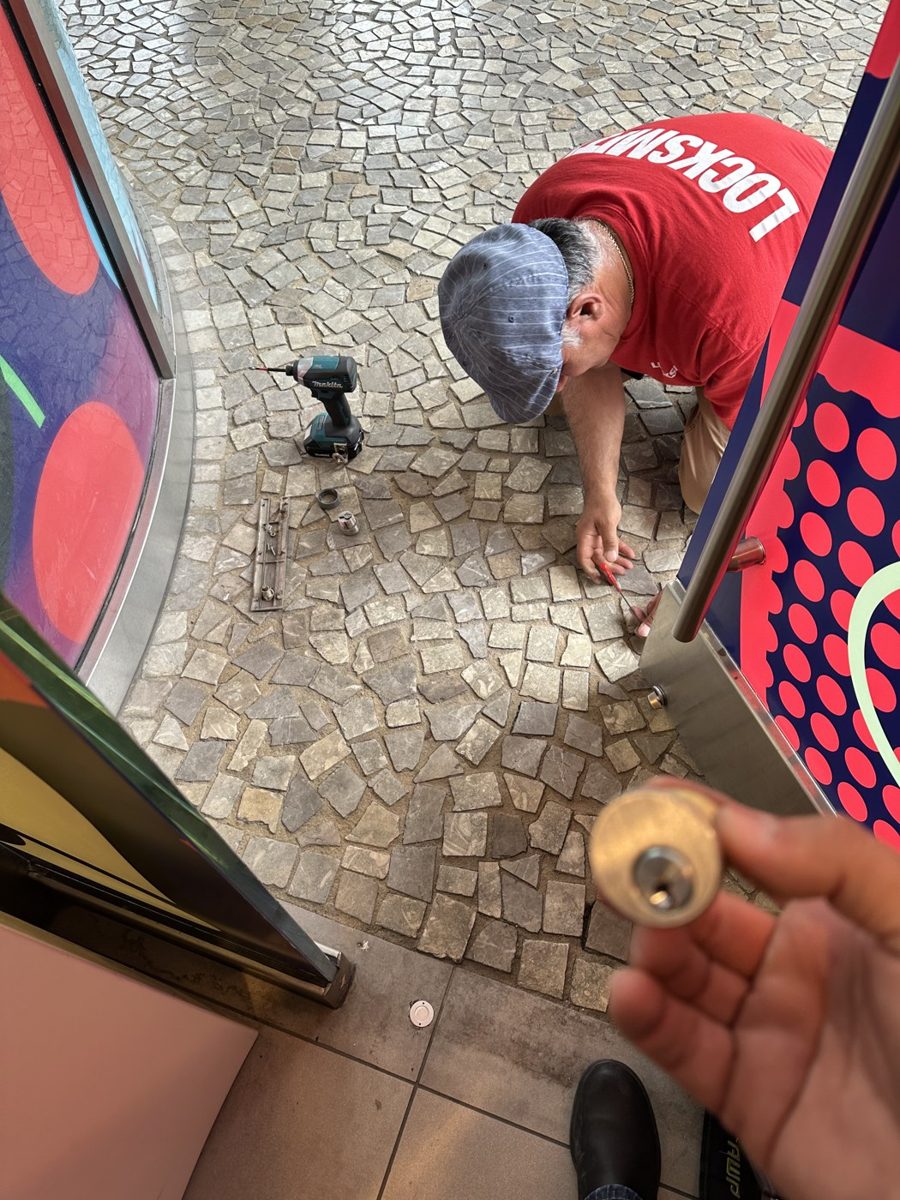
When we come out for a sticky lock, the cause is often a worn part or a door that sits out of line, and we repair it on location. If the cylinder itself is worn out, a new cylinder or a rekey can be the better path. Our guide to rekeying versus replacing walks through that choice, and residential rekeys start at $79.
If the lock fails while you are on the wrong side of the door, that is a lockout rather than a repair, and our house lockout service operates around the clock. A stuck business door is a job for our commercial locksmith team.
Make Silver State Locksmith a preferred Google source
Loose Ends
Will WD-40 fix a stiff lock?
It can loosen one temporarily. Neither the Master Lock nor the ASSA ABLOY care instructions recommend it for the keyway, and an oily film collects dust. Clean the lock and apply a dry PTFE lubricant instead.
What is the best lubricant for a sticky door lock?
Use whatever the manufacturer of your lock recommends. If you cannot find that guidance, a few drops of a dry PTFE lubricant is the safer default in dusty Las Vegas.
Why is my door lock suddenly hard to turn?
Check the door first. If the key turns easily with the door open, the bolt is probably rubbing the strike plate. If it is stiff either way, grit, a worn key or worn pins are the usual causes.
How often should I lube my door locks in Las Vegas?
Master Lock recommends every 3 to 6 months, and every 3 months in extremely dusty locations. After a dust storm or an unusually wet month, an additional cleaning is worth the few minutes.
Can I use graphite on my front door lock?
Manufacturers disagree. ASSA ABLOY suggests a little graphite on the key blade, while Master Lock says never to use dry graphite. Check the brand stamped on your lock first.
A key still fighting you? See our residential locksmith service and rekeying versus replacing, or call (725) 280‑5051 any hour and we will give you the price before we start.
Original Documents
- Las Vegas Review Journal, 1.31 Inches of Rain 2nd Highest October in Las Vegas History (November 1, 2026)
- National Weather Service Las Vegas, 1991 to 2020 Climate Normals
- Las Vegas Review Journal, Wind, Dust Advisories Issued for Las Vegas Valley (February 22, 2022)
- Master Lock, Care and Service of Master Lock Padlocks
- ASSA ABLOY, Product Care and Maintenance
- Kwikset Support, Cylinder and Latch Issue
- Kwikset Support, How Do I Clean My Door Hardware
- J. L. Werle and Barbara Luke, Engineering with Heavily Cemented Soils in Las Vegas, Nevada (UNLV, 2007)
Locked Out? We Can Help, Day or Night
Silver State Locksmith is available 24/7 across the Las Vegas valley. Fast response, transparent pricing, licensed & insured technicians.
Call (725) 280-5051 Now Request Service