
We cut and program Chevrolet keys at your vehicle anywhere in Las Vegas, day or night, so a Silverado at a job site and a Malibu in a driveway get the same fast service. Most Chevy keys are made and programmed on site without a tow, and every job is done under City of Las Vegas Locksmith License #P64-00012.
Locked out with the key sitting on the seat, or lost the only one you had? We open the truck without damage through our vehicle lockouts service, and we can build a new key from scratch when none are left.
Not sure which key your car uses? Try our free car key finder. Three quick questions tell you the key type, what it takes to replace it and what to have ready.
- Theft systems varyMany older Chevys keep the theft system inside the ignition rather than the key, so a plain cut key can still start them.
- Resistor pellet keysSome Chevys from the 1980s and 1990s used a key with a small resistor pellet, and the pellet value has to match the car.
- Work trucks welcomeWe make keys for fleet Silverados and Colorados right at the yard, the warehouse or the job site where they are parked.
- Price before workYou get the full price before the technician cuts or programs anything, so there are no surprises at the end of the visit.

Which Chevrolet Key Do You Have?
Chevrolet keys went from plain cut keys, to resistor pellet keys on certain models, to chip keys during the 2000s. Newer Chevys mostly use remote head keys, flip keys and push to start fobs.
- Plain cut keyThis is a metal key with a rubber or plastic head and no electronics inside it, and many Silverados, Colorados and Malibus from the early 2000s and earlier use one, so the replacement is usually a quick cutting job.
- Resistor pellet keyYou can recognize it by the small colored pellet set into the blade near the head. The car reads the electrical value of that pellet, so we match the correct value before cutting the new key.
- Chip key or remote head keyThese have a thicker plastic head with a hidden chip, and many add lock and unlock buttons. The blade is cut first, and then the chip and remote are programmed to the truck or car.
- Flip key or smart fobOn cars like the Cruze the blade folds into the remote, while many newer Chevys use a fob with a start button. Either type is cut or coded and then paired to the vehicle on site.
Chevrolet Models and Their Keys
Chevrolet Silverado
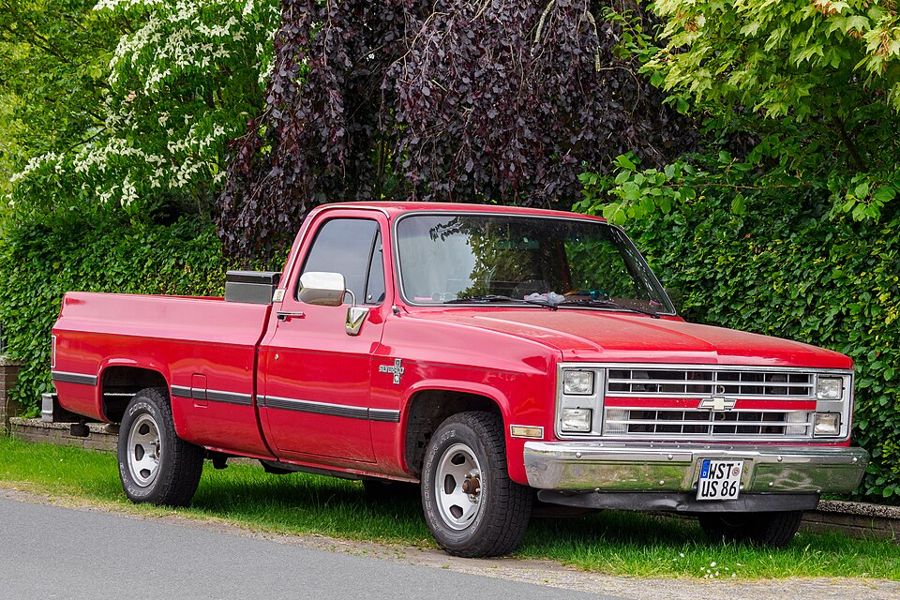
Early Silverados through the mid 2000s use a plain cut key, with the theft system built into the ignition instead of the key. The 2007 redesign brought chip keys, later trucks moved to remote head keys, and some upper trims now use push to start.
Chevrolet Cruze
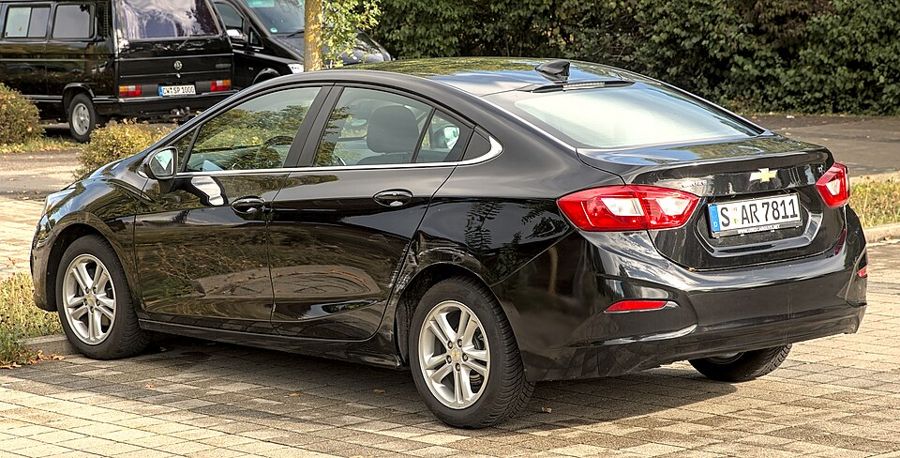
The Cruze came to the US around 2011 with a flip key that has the remote buttons built into the head, and later models added push to start on many trims, so we check which version your car uses.
Chevrolet Malibu
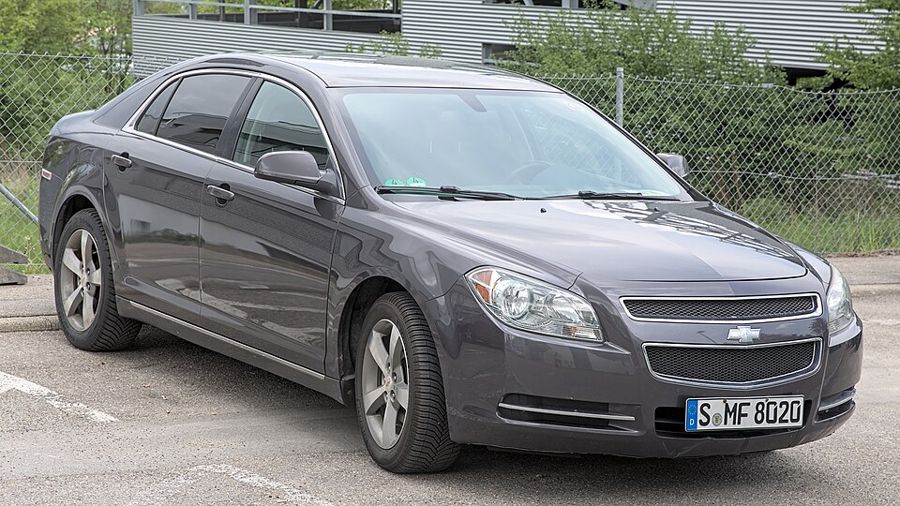
Malibus from the late 1990s and early 2000s mostly use a plain cut key with the theft system in the ignition, while chip keys arrived with the mid 2000s redesign, and many later Malibus use a push to start fob.
Chevrolet Camaro
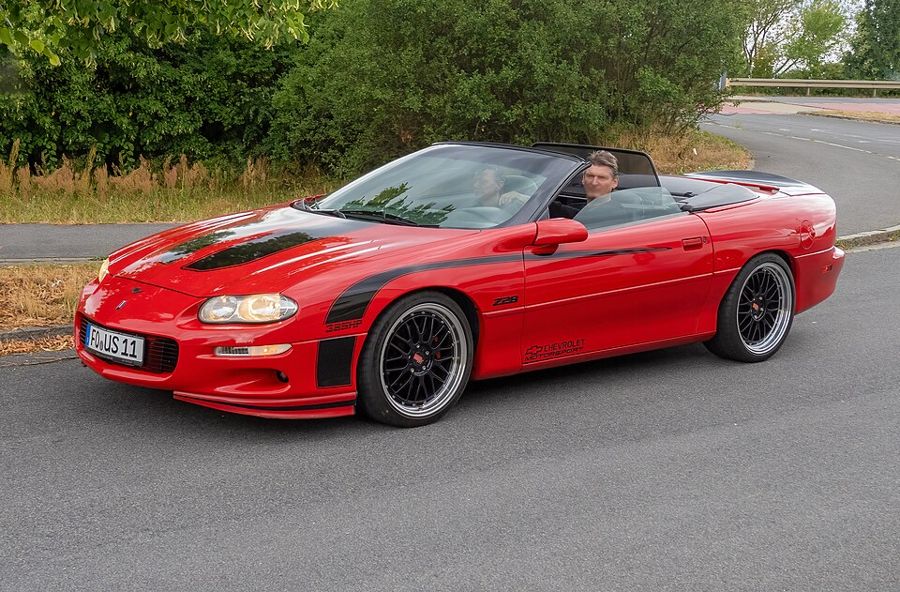
Older Camaros built through 2002 use cut keys, and some cars from the 1980s and 1990s carry a resistor pellet in the blade. The Camaro returned around 2010 with a flip key, and later models moved to push to start.
Chevrolet Corvette
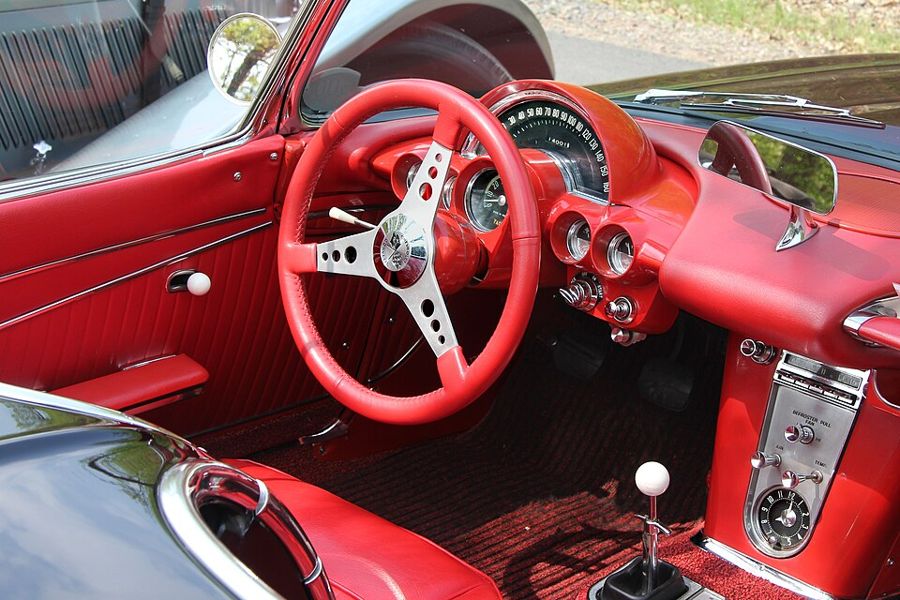
Corvettes from the mid 1980s into the 1990s use a resistor pellet key that must match the car. Later C5 cars paired a key with a keyless remote, and the C6 from 2005 onward starts with a fob and a button.
Chevrolet Equinox
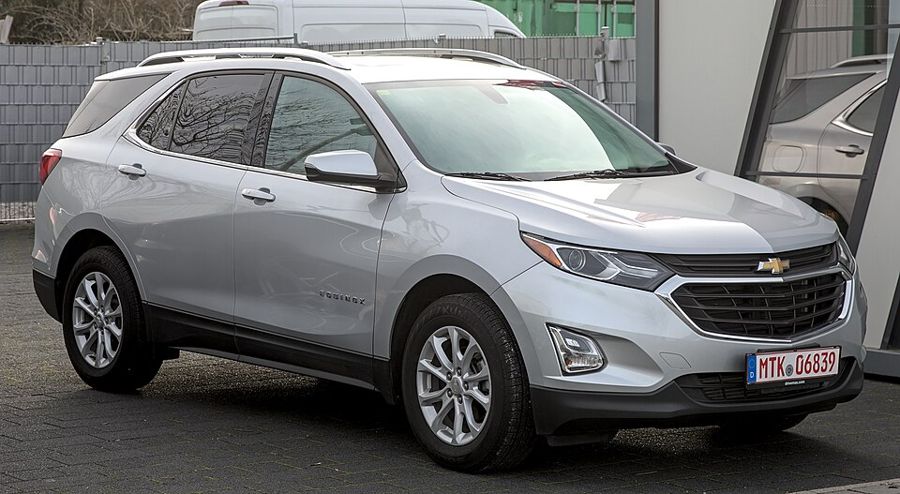
Early Equinox models from the mid 2000s use a cut key, often with a separate remote for the doors, and later models moved to flip keys and remote head keys, and many newer ones use push to start.
Chevrolet Colorado
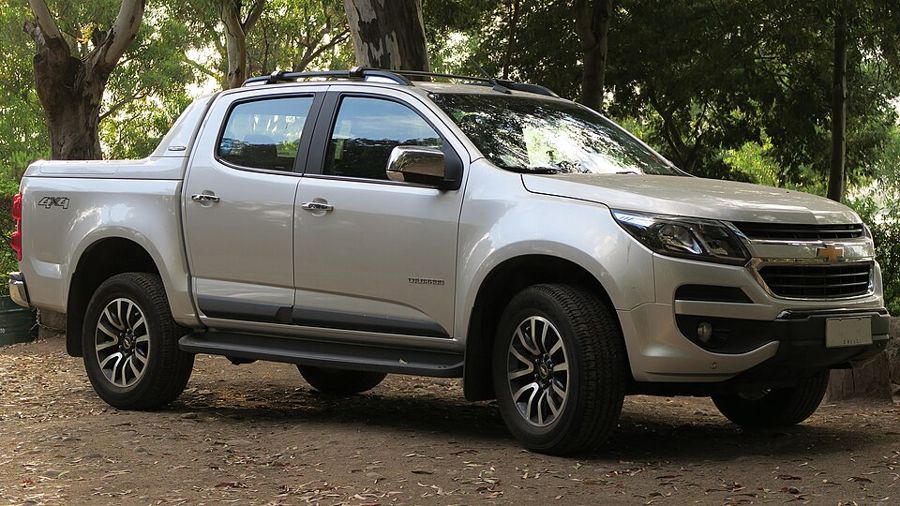
The first Colorado, sold through about 2012, uses a plain cut key on most trucks. The Colorado that returned around 2015 uses a chip key with remote buttons, and some later trims use push to start.
How We Make a New Chevrolet Key
- 1
Call with the VIN or year
The model year tells us whether your Chevy needs a plain key, a pellet key, a chip key or a smart fob.
- 2
Hear the price first
You get the complete price over the phone or at the vehicle before the technician begins any work.
- 3
Key made at the vehicle
We cut the key and program it to the truck or car wherever it is parked, whether that is a driveway, a lot or a job site.
- 4
Start it up together
We test the doors, the remote buttons and the ignition with you before handing over the finished key.
What a Chevrolet Key Costs in Las Vegas
A plain cut key for an older Chevy is usually $50 to $180 in Las Vegas, and a chip key with programming usually runs $150 to $350. Smart fobs cost more than chip keys, and a lockout on its own is typically $45 to $135.
What raises the price on a Chevrolet is mainly the key type, whether any working key is left, and the time of day you call. Nights, weekends and holidays usually add $25 to $75, and we always give you the number up front.
Make a Spare Before You Need One
A second key for a Chevy truck is inexpensive while you still hold one that works, because we can copy it and add it to the vehicle in one short visit. If the last key disappears at a job site, the truck sits idle until a new key is built from the lock, and that costs more. Ask about a spare the next time you need any of our car keys services.
Owning a Chevrolet in Las Vegas
Chevy trucks are everywhere in Las Vegas, from contractor rigs in North Las Vegas to Tahoes parked in apartment complexes. Keys get dropped on job sites, and fobs bake on dashboards every July. If you run a crew, it pays to keep a spare for each truck at the office, and we can come to the yard to make them. Our automotive locksmith page lists everything else we handle on the road.
Chevy keys fall into three families. Some have no electronics. Some carry a resistor pellet. Many carry a transponder chip. The family decides whether a key is just cut or must also be learned by the vehicle, and it decides what a fair price looks like.
This guide goes past our Chevrolet car keys page. It explains the anti theft systems GM used, what GM's own service papers say about adding and replacing keys, and what to do when the last key is gone.
The short version
These are the points that matter most.
- Three systemsA coded lock cylinder with no key programming, a resistor pellet key, and a transponder key that the vehicle must learn.
- Passlock needs no key learningThe security is in the lock. A key cut to the right profile and depths works.
- Pellet keys need the right valueThe pellet is a resistor and its value must match the car.
- Transponder keys must be learnedCutting the blade opens the door. Learning the chip lets the engine run.
- Adding keeps old keys, replacing erases themGM treats these as two different jobs, and a lost key calls for the second.
- Get the total priceAsk for one number that includes the trip, cutting and programming.
What you can check before you call
Look at the head of your key. A plain head with no electronics points to an older system. A small colored pellet in the blade points to a resistor key. A thick black plastic head hides a transponder, which GM's Camaro service paper confirms. See the GM service paper.
Count your keys. Note the year and model, and find the VIN on your registration or the dashboard corner. If one key still works, say so. That makes the job simpler and cheaper than starting from none.
The three GM systems in plain words
A Locksmith Ledger article from 2005 lists the GM families by name. Passlock puts the security in the lock itself. The other families are Passkey I and II (pellet keys), VATS, and Passkey III (transponder). Read the Locksmith Ledger article.
Knowing which one your Chevy has decides the whole job. Below is each one in the order a pro would work it.
Passlock
The article says that no programming is required for a Passlock vehicle to accept additional keys. Any key blank with the proper profile cut to the correct depths can operate the ignition lock. GM introduced Passlock in the middle of the 1995 model year.
It also says that after three failed attempts the system enters a tamper mode that disables the engine for 10 minutes. Forcing the ignition lock to turn can damage the electronics, and the lock may need replacing. If a key does not start the car, do not force it. Call a pro.
Resistor pellet keys
On Passkey and Passkey II cars, the decoder reads a small resistor in the key. A college training handout on GM key learning says a special interrogator tool reads the pellet's resistance when keys are replaced. It lists 15 pellet codes. Open the handout.
That is why a copy of a pellet key must carry the same value as the original. For a duplicate, the handout says to read the existing key's code, find a blank with the matching pellet and cut it to match. For a lost key, it says the interrogator is needed to find the stored code. That is a bench job for a pro, not something to try with a screwdriver.
Las Positas College, Theft Deterrent Key Learn Procedures handout (GM Passkey table), opened Oct 28 2026. Eight of the 15 listed codes shown.
Transponder keys and what GM publishes about learning them
GM's Camaro service paper, published 3 February 2020, explains the logic on a 2010 to 2015 car. The ignition key has a black plastic head with a transponder inside. A service key is a plain metal key with no electronics, and it cannot start the vehicle. The paper says a maximum of 8 keys or transmitters may be learned to a Global A vehicle.
It describes two jobs. Adding a key puts another key in the next open slot and erases nothing. Replacing erases every key and transmitter the car knew, which the paper says is typically used when the customer has lost a key, so the lost one can no longer open or start the car.
The published add a key steps and why they are limited
For that same 2010 to 2015 Camaro, GM's paper lists a no scan tool method for adding a key. First, with a previously learned key, turn the ignition on. Second, turn it off and remove the key. Third, within 10 seconds insert the key to be learned and turn the ignition on. The paper says the vehicle has then learned the new key.
Two things stop this from being a general recipe. It needs a key that already works, and it is written for one model line. GM's own paper also says the technician should check that a transmitter has not been programmed to a different VIN before learning it. Other Chevy models use other steps, and your owner's manual or a pro should confirm yours.
Remote fobs are a separate step
The GM paper says the transmitter holds the electronics for the remote keyless entry system. To learn one, the technician holds the plain service key against the transmitter during the ignition steps. Using the regular black head key will not work, because that key already holds a transponder.
That explains a common problem. A key can start the engine and still not lock the doors. Test every button before the technician leaves.
The lost key case
If every key is lost, a transponder system cannot just be cut. The Las Positas handout says Passkey III with no master key needs a 30 minute auto learn that erases all learned keys, with a security lamp that stays on for 10 minutes at a time. A GM paper on the 2014 Caprice says the battery voltage must stay within 12 to 15.5 volts during programming, and that a battery maintainer is connected. See the GM Caprice paper.
Those are procedures for specific systems and years. The lesson for you is simple. A lost key job takes longer than a spare job, and your vehicle battery needs to be healthy. Read our lost car keys with no spare guide, then call us with the year and model.
What it costs
Prices below come from Airtasker's car key replacement guide, updated 19 May 2026. They are national estimates, not quotes from us. See the Airtasker guide. Airtasker does not list Chevrolet by name, so use the key type table.
It puts a metal key at $70 to $150 and a transponder key at $150 to $300. A switchblade key is $180 to $350 and a smart key is $250 to $600 or more. It lists programming at $70 to $150 for a basic remote, $100 to $250 for a transponder and $180 to $400 or more for a smart key.
| Key type | Replacement range | Programming range |
|---|---|---|
| Metal key | $70 to $150 | Not needed |
| Basic remote key | $100 to $220 | $70 to $150 |
| Transponder key | $150 to $300 | $100 to $250 |
| Switchblade key | $180 to $350 | Included in the replacement range |
| Smart key | $250 to $600 or more | $180 to $400 or more |
Las Vegas notes
Trucks and work vans park in lots, yards and job sites across the valley, and keys get dropped there. If your truck is locked with the key inside, our vehicle lockout service is a separate job from making a key. For other vehicle work see our automotive locksmith page.
Heat cooks a fob left on a dashboard. The National Weather Service says never to leave a child or a pet in a parked car. If someone is inside a locked vehicle, read the NWS heat safety page and call 911 first.
What to tell us on the phone
Have these ready.
- Year, model and VINThis tells us which system your Chevy uses.
- Key you havePlain, pellet, black head chip key, flip key or pocket fob.
- How many keys workOne working key means an add job. None means a replace job.
- Where the vehicle isDriveway, lot, yard or job site.
- Proof of ownershipPhoto ID plus registration, title or insurance that matches the vehicle.
How to check any locksmith before you let them work
Nevada law, NRS 655.070, says a person who wants to operate as a locksmith must get a permit from the county sheriff and carry it at all times. Read NRS chapter 655. Silver State Locksmith holds City of Las Vegas Locksmith License P64 00012, and you can check it at verify our license.
Get the total price first. Our guide on what a locksmith costs in Las Vegas helps you judge a quote. If you are overcharged, report it at ReportFraud.ftc.gov. To reach us, use the contact page.
Watch Us Work
Making a New Key for a 2012 Chevy Express
Questions We Get Asked
My 2012 Chevy Silverado has a fob with a key in it. Can you replace it?
Yes, although most 2012 Silverados actually use a chip key with a separate remote fob on the ring rather than one combined piece. We can cut and program the chip key, program a new remote, or replace both at your location. Tell us the model year when you call, and we will give you the price before starting.
Does a 2016 Chevy Cruze use a flip key or a keyless fob?
It depends on the version, because the Cruze came to the US around 2011 with a flip key, and the redesigned model added push to start on many trims. Either way, the new key has to be programmed to the vehicle before it will work, and we can complete that process on site anywhere in Las Vegas.
What should I do if my key snaps off in the ignition?
Leave the broken piece alone and call a locksmith, because digging at it with pliers can push it deeper or damage the ignition. We can extract the broken piece, then cut a new key and program it when your Chevy needs a transponder chip. We are available at any hour and come directly to your vehicle.
Can I just get a spare key for my Chevy?
Yes, and a spare is a smart way to avoid a lost key emergency later. If you still have one working key, we can copy it and program the new one to the vehicle in a single visit. You will hear the price before we begin, and we come to wherever your Chevy is parked.
Does a Chevy with Passlock need a key programmed?
No. A Locksmith Ledger article says no programming is required for a Passlock vehicle to accept additional keys, and any blank cut to the correct profile and depths works. Programming is needed only if parts such as the lock sensor or computer are replaced.
How many keys can a Chevy learn?
GM's Camaro paper says a maximum of 8 keys or transmitters may be learned to a Global A vehicle. Other models differ. Fleet vehicles such as the 2014 Caprice PPV with the fleet key option can learn more.
Does replacing a key erase my old keys?
It can. GM describes two jobs. Adding a key keeps old keys. Replacing erases every key and transmitter the car knew, which is the right choice when a key is lost, because the lost key will no longer work.
Can I program a Chevy key myself?
On some models GM publishes an add a key method that needs a key that already works, and the steps differ by model. A lost key job needs more. Tell us your year and model, and we will say honestly whether a visit is needed.
Car Keys We Make, Cut & Program
 Acura Keys
 Audi Keys
 BMW Keys
 Buick Keys
 Chevrolet Keys
 Chrysler Keys
 Dodge Keys
 Fiat Keys
 Ford Keys
 Freightliner Keys
 GEO Keys
 GMC Keys
 HINO Keys
 Honda Keys
 Hummer Keys
 Hyundai Keys
 Infiniti Keys
 Isuzu Keys
 Jaguar Keys
 Jeep Keys
 KIA Keys
 Land Rover Keys
 Lexus Keys
 Lincoln Keys
 Mazda Keys
 Mercedes Benz Keys
 Mercury Keys
 Mini Keys
 Mitsubishi Keys
 Nissan Keys
 Oldsmobile Keys
 Plymouth Keys
 Pontiac Keys
 Porsche Keys
 SAAB Keys
 Saturn Keys
 Scion Keys
 Smart Keys
 Subaru Keys
 Suzuki Keys
 Toyota Keys
 Volkswagen Keys
 Volvo Keys
Locked Out? We Can Help, Day or Night
Silver State Locksmith is available 24/7 across the Las Vegas valley. Fast response, transparent pricing, licensed & insured technicians.
Call (725) 280-5051 Now Request Service